How to Choose the Right Size Air Conditioner for Your Home in Logan
Learn how professional installers assess room size, airflow, insulation and house plans to recommend the right air conditioning system for your home.
Choosing the right size air conditioner is one of the most important decisions you'll make when investing in home comfort. Many homeowners assume that a larger unit will always perform better, but this isn't necessarily the case. An air conditioner that is too small may struggle to cool your home efficiently, while an oversized system can lead to higher running costs, reduced comfort and unnecessary wear and tear.
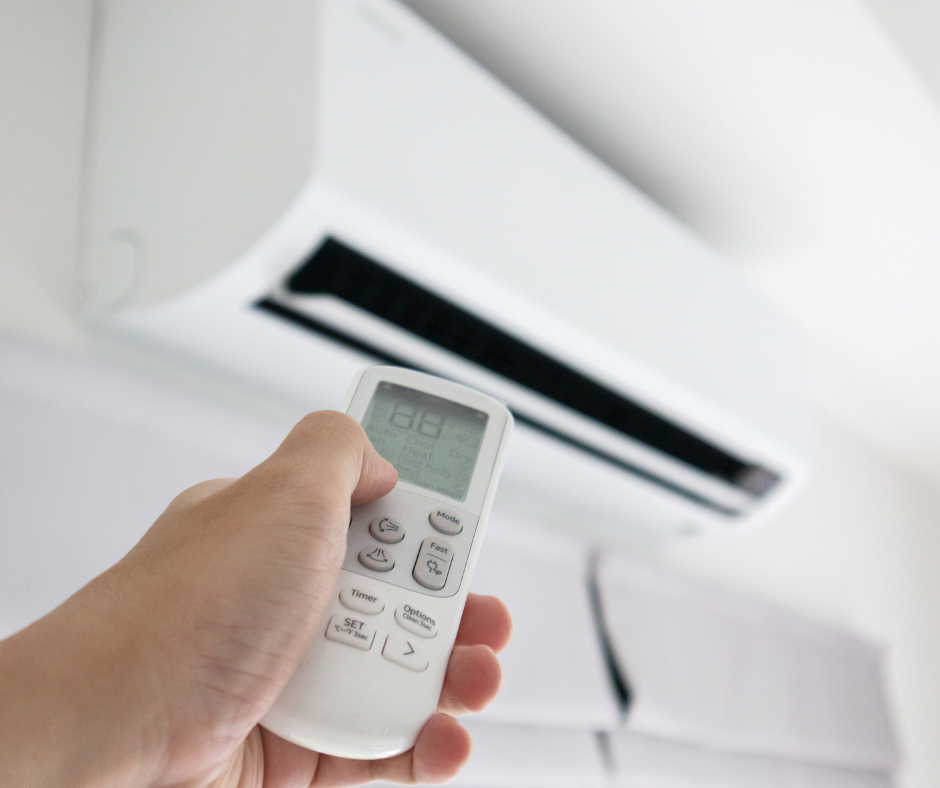
Whether you're considering a split system for a single room or a ducted system for your entire home, selecting the correct size is essential. At Adapt Energy Solutions, we provide professional air conditioning installations throughout Logan, Logan City and Brisbane Southside, helping homeowners choose systems that are properly suited to their home's layout and requirements.
Why Air Conditioner Sizing Matters
An air conditioning system should be matched to the specific area it will service. When a system is correctly sized, it will operate efficiently, maintain a comfortable temperature and keep energy costs under control.
If the system is too small, it may:
- Run continuously during hot weather
- Take longer to cool the space
- Increase electricity consumption
- Struggle to maintain a comfortable temperature
- Experience excessive wear and tear
If the system is too large, it may:
- Cost more to purchase
- Cycle on and off too frequently
- Use more electricity than necessary
- Cause temperature fluctuations
- Reduce overall comfort levels
The goal is to install a system that is appropriately sized for your home's heating and cooling requirements.
Room Size Is Only the Starting Point
The area of the room or rooms you would like to heat and cool is an important factor. However, room size is not simply length multiplied by width. Ceiling height must also be considered.
Standard ceiling heights are generally around 2.4 metres, but many homes throughout Logan and Brisbane Southside feature higher ceilings, raked ceilings or open-plan living areas. The greater the volume of air within a room, the harder the air conditioner must work to maintain a comfortable temperature.
Every home is unique, which is why a professional assessment is always recommended before selecting a system.
Factors That Influence Air Conditioner Sizing
Ceiling Height
Higher ceilings increase the amount of air that must be heated or cooled. A room with a 3-metre ceiling will generally require more capacity than a room with a standard ceiling height, even if the floor area is identical.
Insulation
The level of insulation in your home plays a major role in energy efficiency. Homes with quality ceiling and wall insulation typically retain conditioned air more effectively, reducing the load placed on the air conditioning system.
Older homes with limited insulation often require greater heating and cooling capacity.
Windows and Sun Exposure
Large windows can significantly increase the heat entering your home, particularly if they face west or north. Direct sunlight can dramatically impact indoor temperatures during summer.
Window coverings, tinting and glazing can also influence the amount of heat entering the home.
Open Plan Living Areas
Open-plan homes have become increasingly popular throughout South East Queensland. While they create spacious living areas, they can also increase the area requiring heating and cooling.
The overall design of the home must be considered when determining system capacity.
Number of Occupants
People generate heat. A busy family home with multiple occupants may have different cooling requirements than a home occupied by one or two people.
Appliances and Electronics
Ovens, televisions, computers, gaming consoles and other appliances all generate heat that contributes to the cooling load within a home.
Why Airflow Is So Important
Airflow is one of the most overlooked factors when choosing an air conditioning system.
If the system is intended to service multiple rooms, airflow must be carefully considered to ensure every room receives adequate conditioned air. Simply installing a larger unit does not guarantee better performance.
Proper airflow design is particularly important for ducted air conditioning systems, where duct sizing, outlet placement and zoning all influence the system's effectiveness.
How Ducted Air Conditioning Systems Are Sized
Ducted air conditioning systems require a far more detailed assessment than a standard split system installation.
Where available, building plans are often reviewed to assess room sizes, ceiling heights and the overall layout of the home.
Professional installers will often consider:
- Room dimensions
- Ceiling heights
- Insulation levels
- Window placement and orientation
- Sun exposure
- Occupancy levels
- Airflow requirements
- Zoning preferences
The goal is to ensure every room receives the correct amount of conditioned air while maintaining maximum comfort and energy efficiency.
Can Online Air Conditioner Calculators Help?
Online sizing calculators can provide a useful starting point when researching your options.
Tools such as the FairAir Cooling Calculator can estimate heating and cooling requirements based on room dimensions and household factors.
However, online calculators should only be used as a guide. Every property is different, and factors such as insulation, orientation, airflow and building design can significantly influence the final sizing requirements.
Common Air Conditioning Sizing Mistakes
Choosing the Cheapest Option
Selecting a system based solely on price can result in poor performance and higher long-term running costs.
Assuming Bigger Is Better
Oversized systems often cost more to buy and may operate less efficiently than correctly sized systems.
Ignoring Insulation Problems
Improving insulation can sometimes reduce the amount of heating and cooling capacity required.
Using Floor Area Alone
Floor area is important, but it should never be the only factor used when selecting an air conditioning system.
Why Professional Advice Matters
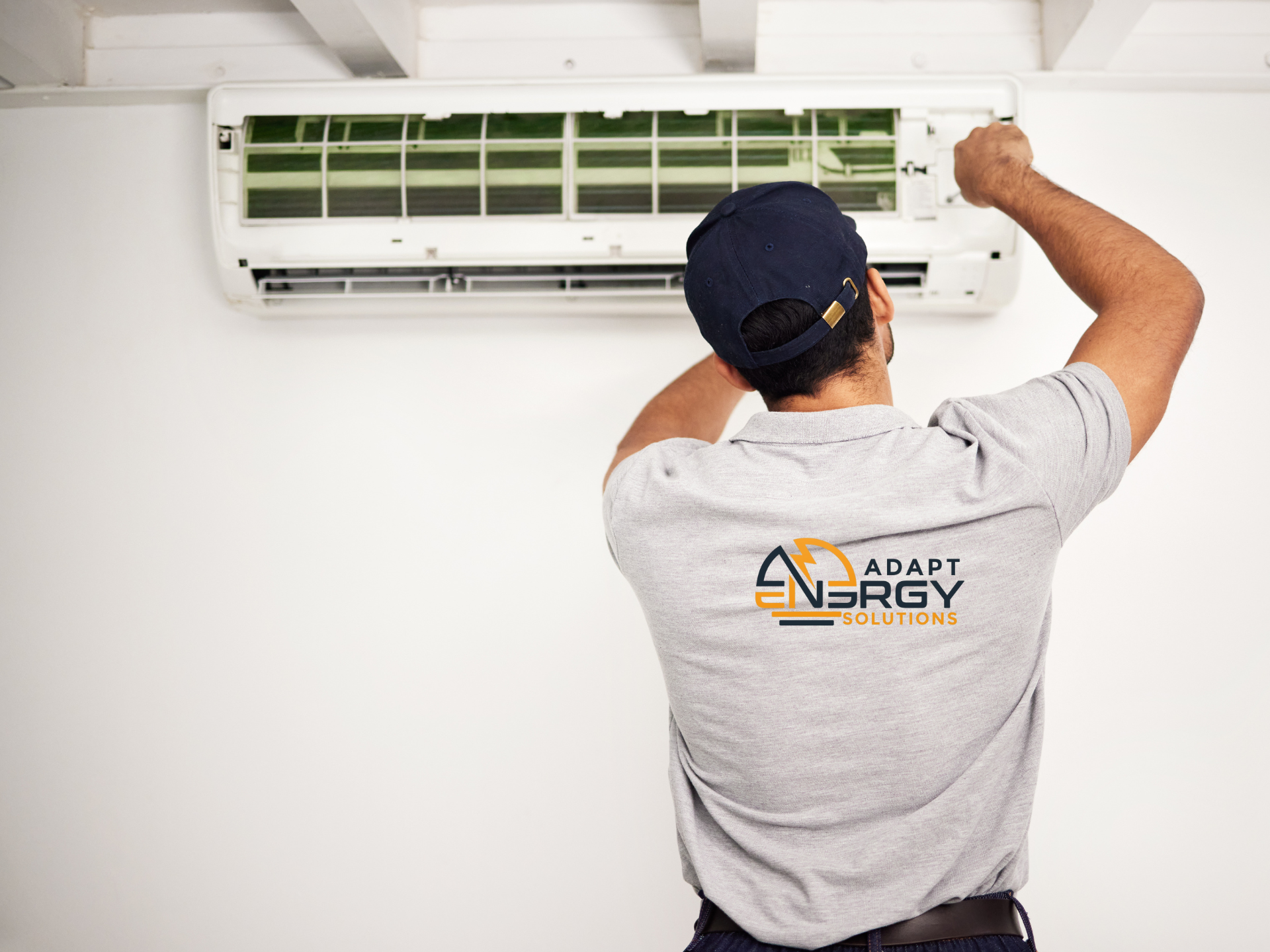
Every home is different. A professional assessment helps ensure your air conditioning system is matched to your home's specific requirements.
In addition to selecting the right system size, a qualified installer can assess electrical requirements, switchboard capacity and installation considerations before work begins.
As a trusted Logan electrician, Adapt Energy Solutions can help you choose an air conditioning system that delivers reliable performance, energy efficiency and long-term comfort.
Frequently Asked Questions About Air Conditioner Sizing
Can an air conditioner be too big for a room?
Yes. An oversized air conditioner can cool a room too quickly, causing the system to cycle on and off more frequently than intended. This can reduce energy efficiency, increase wear and tear on components and create inconsistent indoor temperatures.
Can an air conditioner be too small?
Absolutely. An undersized air conditioner may struggle to maintain comfortable temperatures during hot summer days. It will often run continuously, increasing electricity consumption and potentially shortening the lifespan of the unit.
Do higher ceilings affect air conditioner sizing?
Yes. Higher ceilings increase the volume of air that needs to be heated or cooled. Homes with raked ceilings, cathedral ceilings or open-plan designs often require larger systems than homes with standard 2.4-metre ceilings.
Do ducted air conditioning systems require house plans?
While house plans are not always essential, they can be extremely useful when designing a ducted air conditioning system. Plans help installers assess room sizes, airflow requirements, zoning opportunities and overall system design.
Can I use an online air conditioning calculator?
Online calculators can provide a useful starting point when estimating the size of an air conditioner. However, they should only be used as a guide. Factors such as insulation, window placement, orientation, occupancy and airflow design can significantly affect the final sizing requirements.
What is the difference between a split system and a ducted air conditioning system?
A split system is designed to heat and cool a specific room or area, while a ducted system can provide climate control throughout the entire home. The best option depends on your home's layout, budget and comfort requirements.
How do professionals determine the correct air conditioner size?
Professional installers assess a range of factors including room dimensions, ceiling height, insulation levels, window orientation, sun exposure, occupancy and airflow requirements. For ducted systems, house plans and zoning requirements may also be reviewed.
Who should I contact for air conditioning advice in Logan?
If you're unsure which air conditioning system is right for your home, Adapt Energy Solutions can help. As a trusted Logan electrician, we provide expert advice and professional air conditioning installations throughout Logan, Logan City and Brisbane Southside.
Need Help Choosing the Right Air Conditioner?
If you're planning a new split system or ducted air conditioning installation, the team at Adapt Energy Solutions can help. We provide expert advice, professional installations and tailored solutions for homes throughout Logan, Logan City and Brisbane Southside.
Contact Adapt Energy Solutions today to discuss your home and find the right air conditioning solution for your needs.